BoostSRToday's audits, as stories

Thursday Sep 10, 2026 · two demos · the Dovi concept applied to live audits

Same five truths. Two real shelves.

Yesterday's audit packages for AII Beauty and iBuy, retold in the format Dovi liked: how customers find you, how they find your competitor, your story, theirs, and ours with the data. Then a plain review of each audit, what holds up on a call and what does not.

Both pages run on the Concept B system: Instrument Serif and Inter, the four-palette switcher (bottom right; Stone is the default here, Dusk for screen-sharing), a pinned product with a context layer that changes per chapter, and no pricing anywhere. Every number renders from a data file with its source and date.

The review · what I like and what I don't

Two good audits with two different weaknesses.

Scored 1 to 5 on the things that matter on a call. Written by the assistant that built the packages, so treat the praise with suspicion and the criticism as free.

AII Beauty · 10-page pager + brief

Verdict: strong material, too much of it. The best hooks in either package are here, and they are buried under a keyword table nobody will read on a phone.

Evidence quality
5
Hook strength
5
Honesty of the maths
4
Fit / qualification
3
Presentability on a call
2
Size of the prize as stated
2
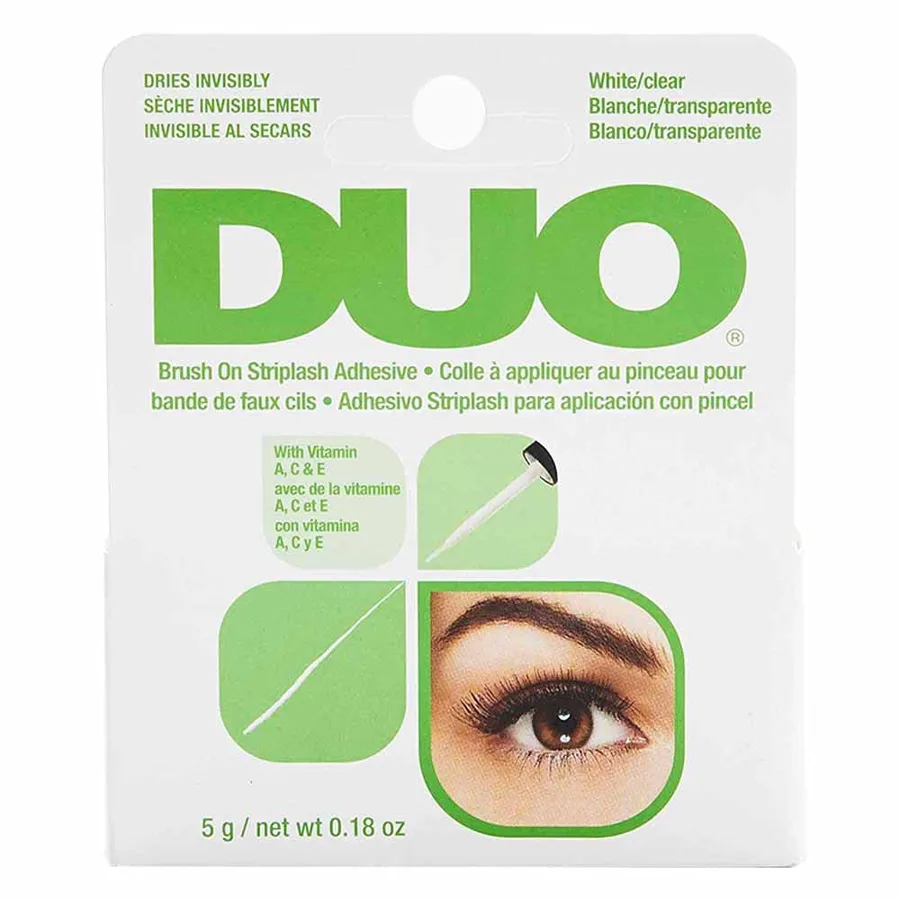
  • The Luxillia logo on the Ardell brand ad. Visual, and it makes the "nobody owns the daily loop" argument without a slide. Best single hook in either package, with one caveat added this morning: on the 08:20 MT reload the slot showed a correct Ardell ad, so it has to be presented as yesterday's dated screenshot, not a live fact.
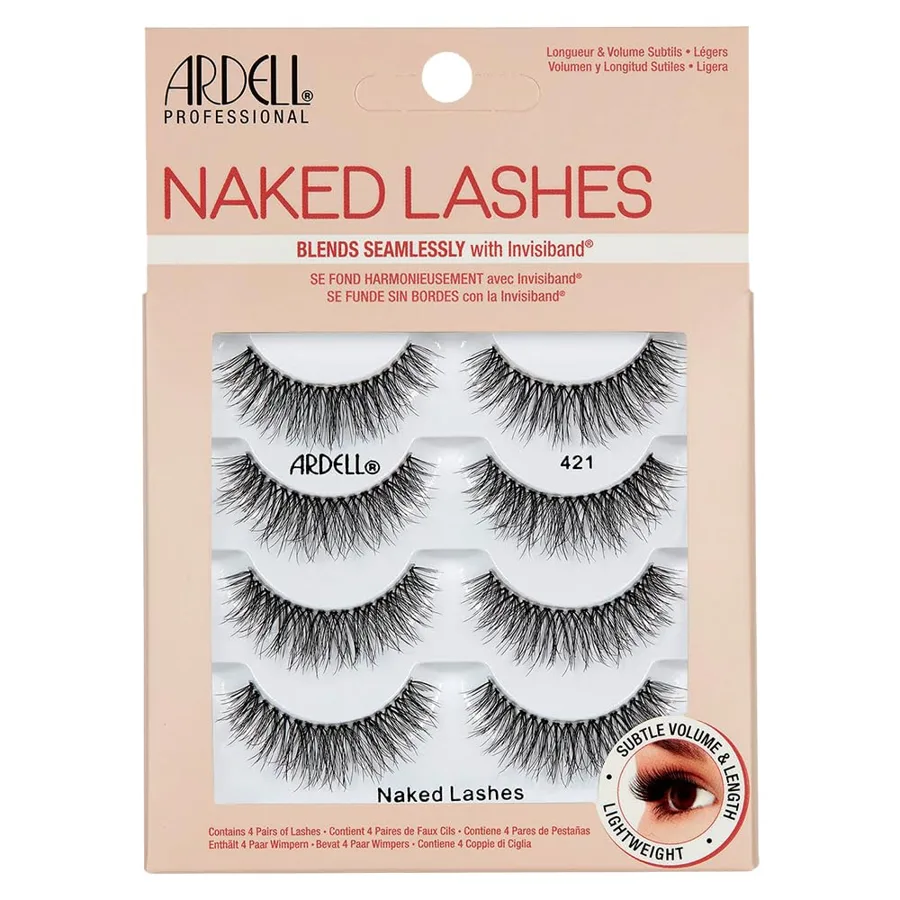
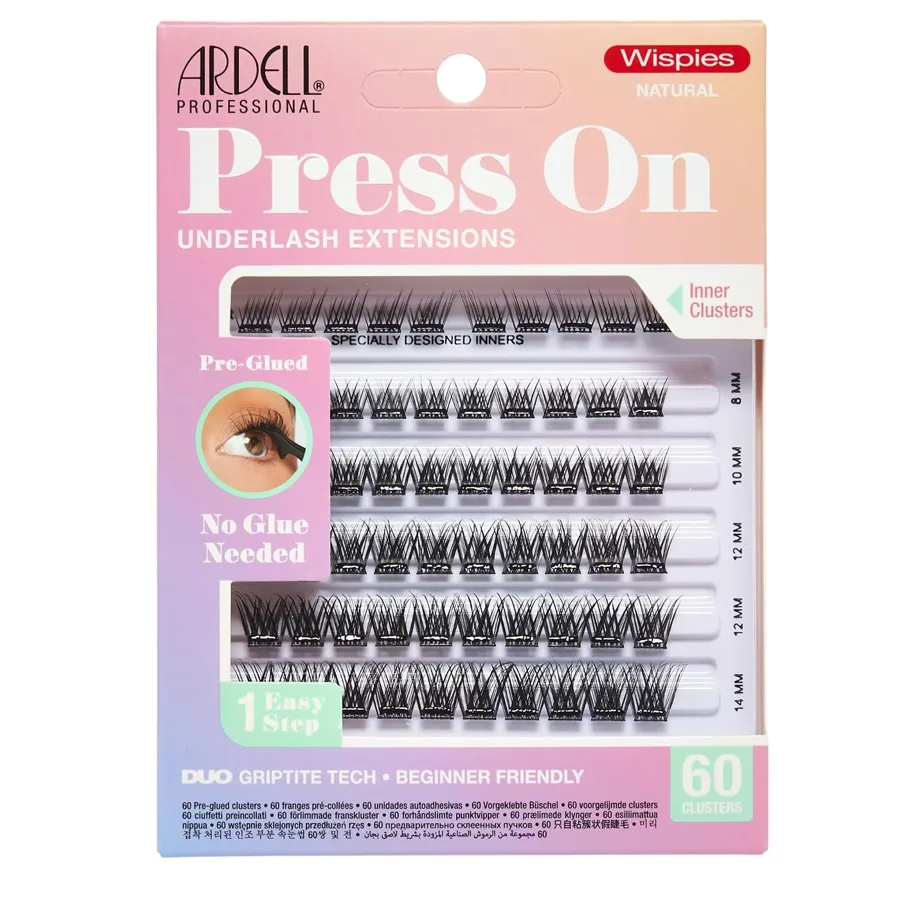
  • "The category moved to clusters and you have the horse." Press On at #3 on a ~4x-growth term with Amazon's Choice on 145 ratings is a real strategic insight, not a listing tweak.
  • Every dollar has its formula printed next to it, in retail-price terms, with the ±30% caveat. Nothing on the page can be quoted back at us as a promise.
  • The duplicate-ASIN finding ("420" on three listings splitting 23 / 19 / 15% of its own clicks). Concrete, checkable, and an account action rather than a hypothesis.
  • Role choreography is explicit: Shimon owns discovery, Moshe gets three 90-second modules. The cue card literally says "Stop."

What I don't like

  • Ten pages, and page 9 is a 12-row by 8-column keyword table. Nobody presents that; it is an appendix pretending to be a page. The story format above replaces it with one bar chart and one sentence.
  • The stated prize is small next to the account. Test 1 targets $1.9K–$2.9K/mo on a $105K/mo listing; Test 2 targets $314–$471/mo. Accurate, but Kendall owns a multi-channel P&L and will hear "rounding error". The bigger number ($5.8K–$8.7K for +1 pt CVR) rests on sessions we cannot see.
  • The whole test plan assumes Manage Your Experiments access we have not confirmed. If DUO is 1P and the listings are edited via Vendor Central, T1 changes shape. The brief says "verify in week 1" but the pager reads as if it is settled.
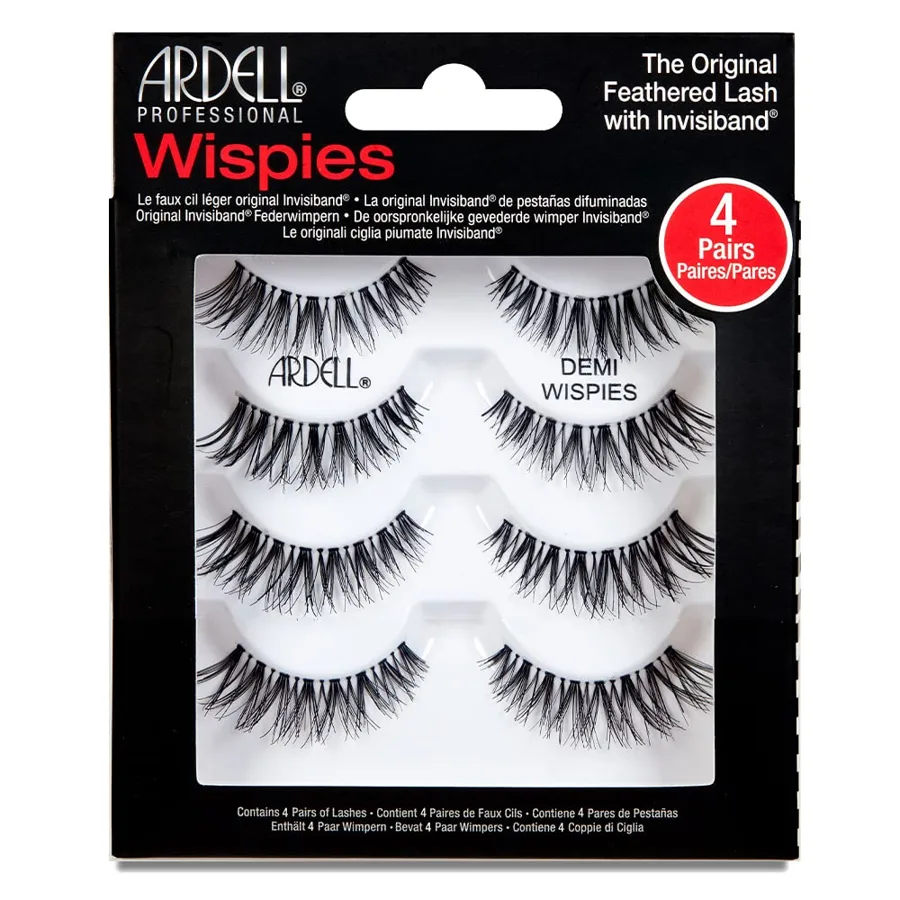
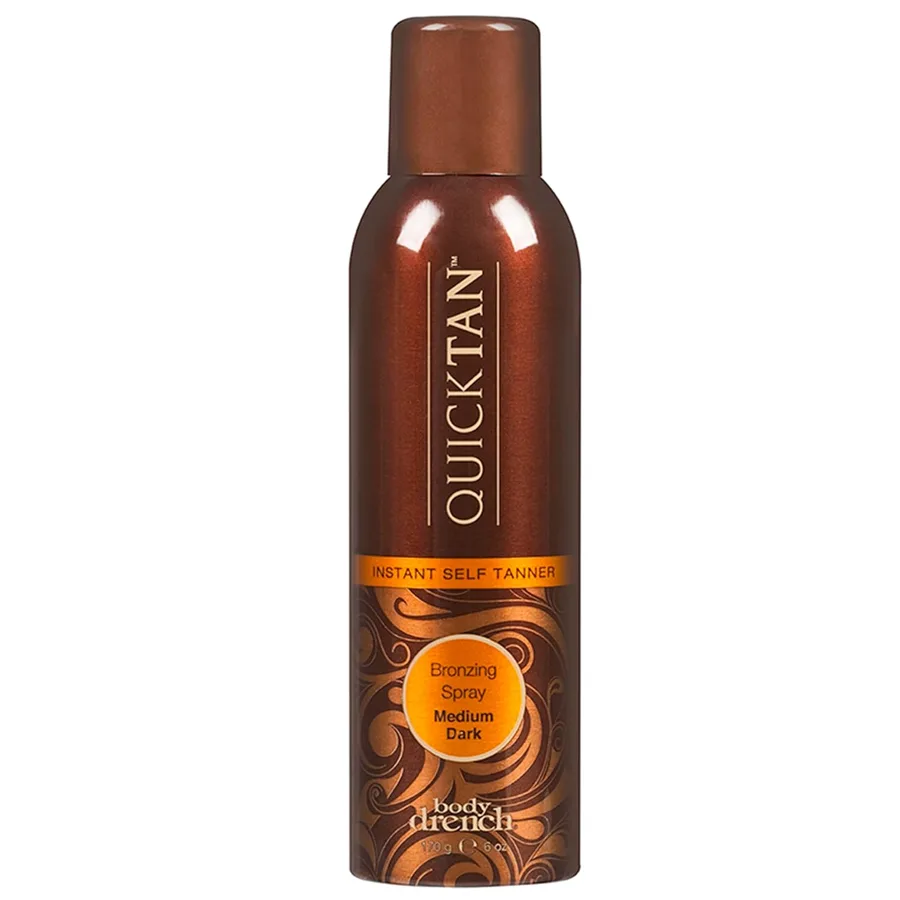
  • Body Drench and Demi Wispies each get a full page and no test. "Sized after account connect" and "no dollar target until the catalog is one family" are honest, but they are one-line roadmap items, not pages.
  • "Where this week stands vs. one new account/week" is left unverified in the brief. The skill requires it; the package ships without it.
What the story version changes
  1. Leads with the two things Kendall will remember: KISS 18.8 vs DUO 5.3, and the Luxillia logo.
  2. Re-frames the prize around the Halloween read window (the term doubles by late October, and 421 was #3 on it last peak) instead of a $314 monthly figure.
  3. Moves the 1P / Vendor Central question into chapter 3 as the first discovery ask, before any test is shown.

iBuy · 6-page pager + brief

Verdict: the fit gate is the best thinking in either package; the numbers around it are the weakest. This audit knows when to say no, and that is rarer than a good hook.

Evidence quality
4
Hook strength
4
Honesty of the maths
3
Fit / qualification
5
Presentability on a call
4
Size of the prize as stated
2
  • The fit gate on page 1. "Proceed only if an owned brand or Brand Registry exists, or a bounded video pilot has upload eligibility confirmed. Otherwise a warm no beats a refund." That sentence protects the money-back promise and tells Shimon exactly what to do.
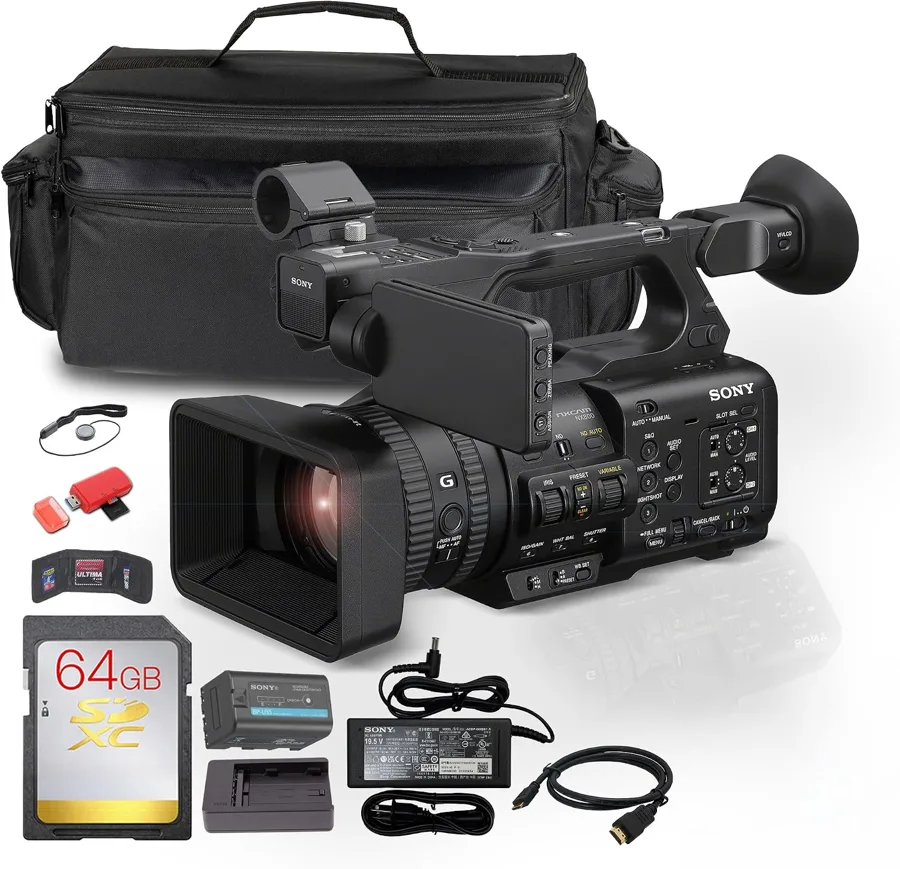
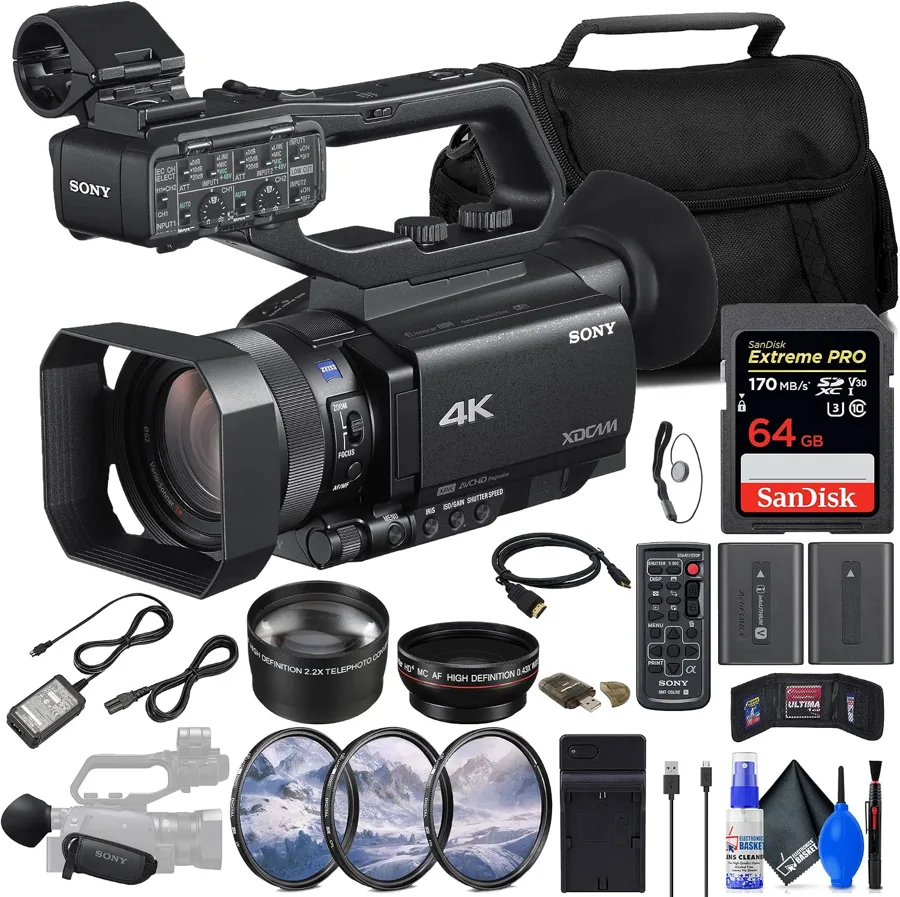
  • "Their win first." Opening with "you built the only Renewed PXW-Z200 kits on Amazon" is generous and true, and it earns the right to say "six of them are fighting each other".
  • Refusing to demo the Kodak FZ55 as theirs. It is the storefront's biggest seller and it would have looked great on a slide. Amazon.com holds the buy box, so it is not their listing. Correct call.
  • Saying "pre/post, not A/B" out loud. Most agencies would let the prospect assume a controlled test. This one names the limitation in the cue card.
  • Six pages. Right length for a one-attendee call.

What I don't like

  • The headline dollar figure is an assumption wearing a number. $7,350/mo = 300 sessions × 0.5 pt × $4,899.95, and the 300 is invented. On a two-rating listing at #6 on its model term, it could be 80. The story's dollar plate makes the slider the point.
  • $3,991–$11,973/mo is a range wide enough to mean nothing. Three-to-one spread from a 1–3% CVR guess on a $4.9K kit. It should have been stated as "we do not know" until the account is connected.
  • Page 5's keyword table has half-empty rows. "sony pxw-z200 · n/a · — · — · —" looks unfinished, and "ricoh gr iii" and "digital camera" are not terms iBuy can act on with content it controls.
  • Only one of three storefronts was verified. Web Offers and 6Ave were not checked. If Mike runs a different storefront day to day, the audit is aimed at the wrong account and the six-kit story lands flat.
  • The video feature, the one thing Mike asked about, is hedged so hard it may sound like "we can't". The hedge is correct; the delivery needs the draft clip playing while it is said.
What the story version changes
  1. Puts the fit-gate question in Shimon's mouth in chapter 1, right after the compliment.
  2. Turns the $7,350 into an interactive plate where the sessions slider is the lesson, not the answer.
  3. Drops the irrelevant keyword rows and gives the "camcorder" season one job: set the Oct 25 deadline.

Across both

What the pager format gets wrong that the story format fixes.

Tables are for after the call

Both pagers put their most-worked artefact, the keyword table, near the end and expect it to be presented. On a call, one bar and one sentence carry the same fact. The tables belong in the follow-up, not the room.

Small dollar figures need a time frame

$314/mo reads as trivial; "the term doubles in seven weeks and your listing was #3 on it last peak" reads as urgent. Same data. The context module gives every prize a calendar.

The unverified thing goes first

AII: 1P or 3P, who edits the listing. iBuy: which storefront, any Brand Registry. Both packages know these decide the plan; both put them after the plan. The stories ask them in chapter 1 or 3.

Verify-before-call caught one

The 08:20 MT check confirmed workspace, products, clips and buy boxes, and found the Luxillia ad had rotated out. The hook survives as a dated screenshot; it would have been embarrassing live. Reason enough to keep the pre-call reload in every package.

Skill compliance gap

Neither brief verified "where this week stands vs. one new paying account/week", which the prospect-audit skill requires in every pre-call brief. Worth saying out loud before 11:00.

Draft clips exist; use them

Four 15-second draft videos sit in BoostSR. Neither pager shows a frame from one. The "Action + safety" module should open on a playing clip, especially for iBuy.

Same spine, different shelves

Once both audits sit in the same five chapters, the difference between a brand owner with a neglected shelf and a reseller with seven controllable listings is obvious in thirty seconds. That comparison is the format's real value for Shimon and Menachem.

How this is organised

One spine, so the two prospects can be compared.

Chapter 1How customers find youBranded or model-number searches where the prospect already wins. Lead with their win.
Chapter 2How they find your competitorThe generic head term, who takes the click, and the screenshot that proves it.
Chapter 3Your storyCompany history, what they control on Amazon, and the unverified question discovery must answer.
Chapter 4The competitor's storyWhere the shelf moved and what nobody on the account is watching.
Chapter 5Our story, with dataTests and account actions as clickable nodes, each with its win condition, dollar target and printed assumption.
Context moduleThe shelf that changes with the calendarReal weekly Brand Analytics points for the head term; sets the deadline.
Dollar plateSliders, not promisesRecomputes the audit's own formula live so the assumption is visible.
Cue card + assetsWhat to say, what to openThree 90-second modules, the objection line, and deep links into BoostSR.

Palette follows you between pages (bottom-right switcher). Source PDFs and briefs live in the BoostSR Sales — Demos & Prospects project; this site adds no new claims beyond the seasonal weekly points pulled from Brand Analytics on Sep 10, 2026, each labelled with its week. No pricing appears anywhere on this site, by standing instruction.